Personal Blenders: Understanding the 24-Ounce Nutribullet Model NBR-0601WM

Introduction
The kitchen has undergone significant changes over the past decade, with more people prioritizing convenient yet nutritious food preparation methods. Personal blenders have emerged as one of the most practical small appliances for modern cooking and beverage preparation. Unlike full-sized blenders that take up considerable counter space and are designed for batch processing, personal blenders offer a more streamlined approach to blending tasks that matter in everyday life.
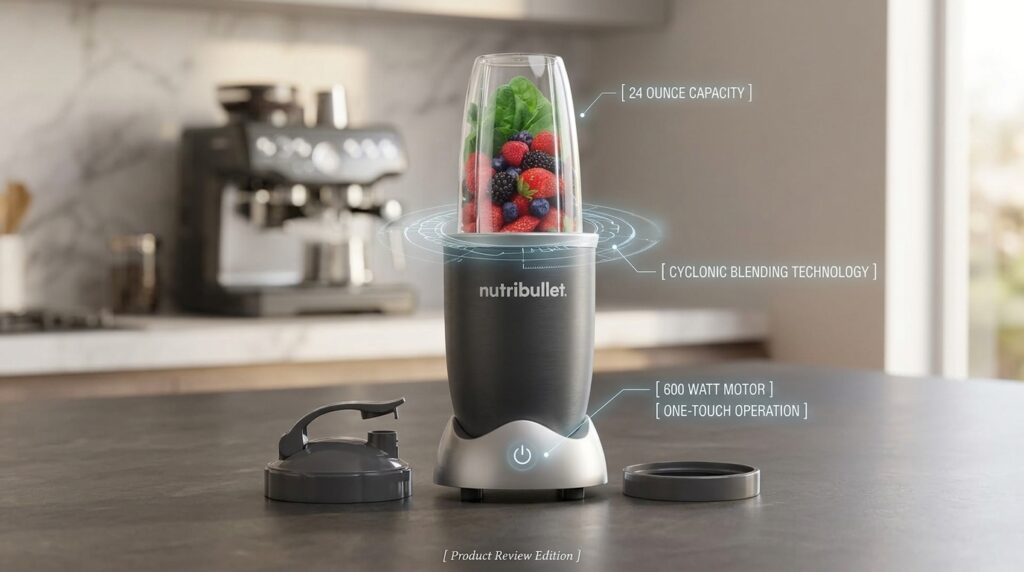
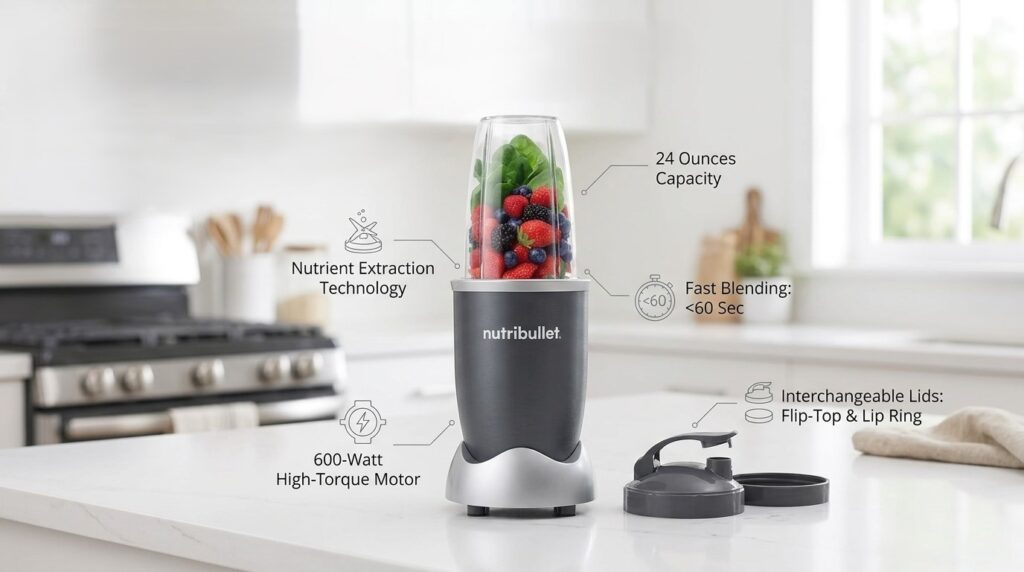
The Nutribullet Personal Blender (model NBR-0601WM) represents one of the more focused entries in the personal blender market. With its 24-ounce capacity and 600-watt motor, it addresses a specific use case: individuals and smaller households who want the ability to blend smoothies, shakes, and soft foods without investing in larger, more complex equipment. Understanding what this particular blender offers requires looking beyond marketing language and examining how personal blenders function, what they’re genuinely capable of, and how they might fit into different lifestyles and cooking situations.
This article explores the practical considerations around personal blenders generally, the specific features of this model, and the various ways it might be integrated into meal preparation routines.
Understanding Personal Blenders and Their Purpose
Before diving into the specifics of any particular model, it’s helpful to understand what distinguishes personal blenders from their full-sized counterparts. Personal blenders are engineered with a different purpose in mind. Rather than preparing large batches of soup, sauce, or blended beverages, they handle single-serve or small-batch applications more efficiently.
The fundamental difference lies in design philosophy. A personal blender prioritizes speed, convenience, and footprint. The motor is calibrated for shorter blending cycles with smaller ingredient volumes. The pitcher or blending vessel is typically between 16 and 32 ounces, making it manageable for one or two servings without requiring much kitchen storage. Many personal blender users appreciate that they can blend directly into a drinking vessel or storage container, which streamlines cleanup.
Personal blenders have found particular relevance among several groups: people living in apartments or small homes with limited counter space, individuals following nutrient-focused diets that emphasize whole fruits and vegetables, athletes managing post-workout nutrition timing, parents preparing quick breakfasts, and anyone who values having a specialized tool for specific tasks rather than a multipurpose appliance.
Key Features of the NBR-0601WM Model
Motor Power and Blending Capability
The 600-watt motor represents a middle point in the personal blender range. This power level provides sufficient force to pulverize soft fruits, leafy greens, and frozen produce. The motor’s capability is meaningful when considering what the blender can realistically handle. A 600-watt motor can break down ice and frozen berries into a smooth consistency, process whole fruit, and incorporate leafy vegetables into beverages. It’s not designed for nut butters or grinding grains, which typically require more powerful commercial-grade motors.
The significance of motor wattage often gets overstated in product discussions. While higher wattage can matter for certain tasks, the relationship between watts and actual blending performance involves engineering factors beyond raw power. Blade design, pitcher shape, and motor efficiency all influence how effectively a blender performs. The 600-watt specification for this model suggests it’s designed for the tasks it’s marketed toward: smoothies, shakes, soft food processing, and frozen fruit blending.
24-Ounce Capacity
The 24-ounce capacity (approximately 710 milliliters) places this blender firmly in the personal category. This size accommodates a single substantial smoothie or shake, or potentially two smaller servings. For context, a standard drinking glass is typically 8 to 12 ounces, so a 24-ounce blender pitcher can produce more than a single glass but remains impractical for family-sized batches.
This capacity influences several practical aspects of use. The smaller volume means ingredients blend more quickly, as there’s less distance for the motor to work through the mixture. The reduced volume also means you’ll use less of each ingredient per serving, which can be advantageous for portion control and reducing food waste. Conversely, anyone regularly preparing multiple servings simultaneously would find this capacity limiting and would likely need to run multiple cycles.
Design and Build
The dark gray finish is purely aesthetic, and color choice is a personal preference. What matters functionally is the construction of the motor base and the quality of the pitcher or blending vessel. Personal blenders in this category typically feature plastic components in the pitcher, as glass would add weight and fragility concerns to a machine designed for convenience. The motor housing usually contains more substantial materials to handle the mechanical stress of blending.
The physical footprint of a personal blender is typically smaller than a standard full-size blender, making it easier to store in cabinets or keep on counters without consuming significant space. Weight is another practical consideration; a personal blender should be light enough to move easily and use comfortably, though not so light that it feels flimsy during operation.
Practical Applications and Usage Scenarios
Smoothies and Drinkable Preparations
The primary purpose of personal blenders involves creating drinkable preparations. The 24-ounce capacity suits single-serve smoothies well. A typical smoothie might include liquid (milk, juice, or plant-based alternatives), fresh or frozen fruit, and optional protein powder or nuts. The blender can process these ingredients into a smooth beverage within seconds.
The frozen fruit capability is significant. Frozen berries, frozen tropical fruits, and frozen produce can be blended into smoothies without requiring pre-thawing. The frozen component also chills the smoothie naturally, reducing the need for additional ice, which can dilute the flavor over time. For people who prepare smoothies regularly—whether for breakfast, post-workout recovery, or meal replacement—the ability to quickly blend frozen ingredients makes the routine less time-intensive.
Soft Food Processing
Beyond beverages, personal blenders can process soft foods for various culinary applications. Overripe bananas become the base for pancake batter or quick bread batters when blended. Cooked vegetables can be blended into soups or sauces. Soft fruits can be processed into toppings for yogurt or oatmeal. These applications are less about speed and more about convenience—the ability to process ingredients in a dedicated, easy-to-clean device rather than using food processors or manual processing methods.
For people preparing food for infants transitioning to solids, soft-blended foods can be prepared quickly. The small capacity means batch sizes remain manageable and appropriate for individual servings.
Frozen Preparation
The mention of frozen blending in the product description deserves particular attention. Creating frozen drinks, ice-based smoothies, or frozen fruit preparations is a specialized task that not all small appliances handle equally. The motor’s capability to break down frozen fruit into a smooth consistency rather than producing chunks or watery slush determines whether the blender genuinely excels at this function.
For geographic areas where frozen beverages appeal year-round, or for people who enjoy frozen preparations as part of their regular diet, this capability becomes a functional requirement rather than a nice-to-have feature.
Who Might Consider This Type of Appliance
Health-Conscious Individuals
People following health-focused diets often appreciate personal blenders. The convenience of quickly incorporating whole fruits and vegetables into beverages appeals to those prioritizing nutritional density. The ability to blend leafy greens into smoothies without appreciably changing the taste makes green-based beverages more accessible.
Individuals tracking macronutrient intake or managing specific dietary goals often prepare identical smoothie combinations daily. The routine nature of these preparations suits personal blenders well—the same device makes the same preparation every morning without requiring complex settings or extensive cleanup.
Time-Constrained Professionals
People with busy schedules benefit from appliances that reduce preparation and cleanup time. Personal blenders offer meaningful time savings compared to full-size blenders or more complex food preparation methods. The small capacity means blending cycles complete quickly, and cleanup involves fewer components and less water.
A professional rushing through breakfast before work, or someone with limited lunch break time preparing a quick meal, can appreciate the efficiency a personal blender provides for their specific workflow.
Small Household Configurations
Individuals living alone or couples without children represent a growing demographic in many countries. For these households, full-size blenders often create excess capacity. A personal blender better matches their actual usage patterns, serving their needs without unnecessary bulk. People in this category often value kitchen efficiency and don’t require large-batch preparation capabilities.
Apartment and Small Space Dwellers
Urban residents and people in smaller homes face real constraints on kitchen storage and counter space. A personal blender consumes far less space than a full-size blender or food processor, making it a more practical choice for limited environments. The ability to store it in a cabinet rather than requiring permanent counter presence appeals to anyone prioritizing space efficiency.
Those Exploring Dietary Experimentation
People new to smoothie-based diets or dietary approaches emphasizing whole foods often start with modest investments in equipment. A personal blender represents a reasonable entry-level investment for exploring whether blended preparations fit their lifestyle before committing to larger, more expensive appliances.
Important Considerations Before Using a Personal Blender
Capacity Limitations
The 24-ounce capacity, while appropriate for personal use, establishes clear boundaries on what the blender can accomplish. Anyone preparing beverages or food for multiple people simultaneously cannot rely on a personal blender without running multiple cycles. This becomes relevant for families, people regularly entertaining guests, or anyone preparing batch quantities for meal preparation.
For individuals accustomed to large-batch cooking or people who prepare multiple servings simultaneously, a personal blender requires adjustment to workflow patterns. It’s designed for individual or dual servings, and attempting to repeatedly exceed this capacity may strain both the motor and ingredients management.
Motor Capability Boundaries
While 600 watts provides sufficient power for the intended applications, it represents a practical ceiling for certain tasks. Grinding grains into flour, creating nut butters from whole nuts, or processing extremely hard vegetables like raw carrots into fine preparations falls outside this motor’s design parameters. The blender shouldn’t be viewed as a replacement for food processors, nut grinders, or high-powered vitamins-style equipment designed for professional-level processing.
Understanding this boundary prevents disappointment. The motor is engineered for its specific purpose—quickly blending soft and semi-soft ingredients into smooth preparations—not as a general-purpose kitchen engine.
Noise Level
Personal blenders, like all blenders, generate considerable noise during operation. A 600-watt motor blending at full speed creates sound levels that might disturb others in shared living spaces. For people sensitive to noise early in the morning or in environments where quiet is valued, this remains a consideration regardless of the blender’s efficiency.
Ingredient Preparation
Effective use of a personal blender requires appropriate ingredient preparation. While the motor can handle whole fruits, cutting large ingredients into smaller pieces speeds the blending process and reduces stress on the motor. Frozen ingredients should be thawed slightly if extremely hard. Leafy greens should be roughly chopped rather than inserted as large bunches, as clumping can create uneven blending.
These preparation steps aren’t burdensome, but they should be understood as part of the routine rather than viewing the blender as a solution for processing completely raw ingredients without any preparation.
Heat Generation
Blending creates friction that generates heat. Extended blending cycles can warm the contents, which may affect temperature-sensitive ingredients or nutrient profiles. Personal blenders designed for quick cycles (typically 30-60 seconds) minimize this effect, but users should be aware that friction heating occurs to some degree.
Cleaning and Maintenance
Personal blenders typically require hand washing, as many components are not dishwasher-safe. The pitcher, blade assembly, and seals need regular cleaning to prevent residue buildup. For people with limited time or strong dishwasher preferences, this represents an ongoing consideration.
Proper maintenance—checking seals, ensuring the blade assembly is secure, and storing the pitcher to prevent warping—extends the appliance’s lifespan but requires user attention and care.
How Personal Blenders Compare to Other Kitchen Equipment
Personal Blenders vs. Full-Size Blenders
Full-size blenders typically feature larger motors (800-1400+ watts), significantly larger pitchers (40-64 ounces), and additional settings or programs. They excel at preparing large batches of soups, sauces, or beverages. The trade-off involves size, weight, noise, and counter space requirements. For anyone regularly preparing smoothies for two to four people, or making batch quantities of soup or sauce, a full-size blender justifies its footprint.
However, for individual servings or small quantities, full-size blenders create unnecessary complexity. Running a full-size blender for a single 16-ounce smoothie feels inefficient—the equipment is oversized for the task. Personal blenders solve this inefficiency by matching equipment scale to actual usage patterns.
Personal Blenders vs. Food Processors
Food processors excel at chopping, shredding, and creating chunky preparations. They’re designed for texture control and speed handling solid or partially solid foods. Blenders—personal or full-sized—excel at creating smooth preparations and handling liquid-based cooking. Some tasks suit each tool better, and someone regularly using both might appreciate having specialized equipment for each function rather than attempting one appliance to handle both purposes.
The smaller capacity of personal blenders makes them less suitable for food processor tasks, but their efficiency for blending tasks remains superior to food processors attempting smoothie preparation.
Personal Blenders vs. Immersion Blenders
Immersion blenders (hand blenders) offer maximum portability and minimal cleanup. They’re excellent for quickly blending soup in a pot or creating a small quantity of smoothie directly into a drinking glass. The trade-off involves less control, messier execution, and longer total preparation time for most applications.
Personal blenders create more controlled blending with better incorporation of ingredients, but require more cleanup than immersion blenders. The choice between them depends on personal preferences regarding convenience, mess tolerance, and the nature of regular blending tasks.
Frequently Asked Questions About Personal Blender Use
What types of ingredients work best in a personal blender?
Soft fruits, vegetables, leafy greens, liquid bases (milk, juice, yogurt), and soft-cooked foods blend most effectively. Frozen fruits process well when slightly softened. Ingredients requiring significant mechanical breakdown—like whole nuts or extremely hard vegetables—work better in food processors or high-powered commercial equipment.
How long should typical blending cycles last?
Most personal blending tasks complete within 30-60 seconds. Frozen ingredients might require slightly longer—up to 90 seconds. Extremely long blending cycles risk motor stress and heat generation. If ingredients aren’t smoothly blended within reasonable timeframes, they’re likely unsuitable for the motor’s capability level.
Can personal blenders handle ice?
Most personal blenders can crush ice, though very large ice cubes might resist. Frozen fruit typically blends more easily than ice alone. Some manufacturers specifically note whether their motors handle ice, so this detail varies between models. For applications emphasizing frozen beverages, confirming ice-handling capability matters.
Is hot liquid safe to blend?
Many personal blenders can process warm or hot liquids, but extremely hot temperatures risk seal damage or lid popping from steam pressure. General guidance suggests allowing hot liquids to cool before blending, or avoiding steam buildup by not filling the pitcher to maximum capacity and removing the lid carefully.
How is a personal blender maintained?
Regular cleaning after each use prevents residue hardening. Checking blade tightness and seal integrity periodically ensures continued function. Storing the pitcher upright with the lid off allows proper drying. Avoiding extended storage of blended preparations in the pitcher (transferring to other containers for storage) prevents staining and odor absorption.
What makes a personal blender different from a regular blender?
Size, motor power, capacity, and intended use differentiate personal blenders. Full-size blenders prioritize batch processing capability; personal blenders prioritize convenience, speed, and space efficiency for individual or small-quantity preparation.
Can personal blenders make nut butters?
Creating nut butters requires sustained processing and powerful motors designed for the heat and friction involved. Most personal blenders lack the sustained power and cooling capacity for this application. Attempting nut butter creation in an undersized motor risks overheating and mechanical stress.
What’s the difference between wattage levels in personal blenders?
Higher wattage generally means faster processing and better capability with harder ingredients. However, wattage alone doesn’t determine blending quality—blade design, pitcher shape, and motor efficiency matter significantly. A well-designed 600-watt motor might perform comparably to a poorly designed 800-watt motor for basic blending tasks.
Specific Features Worth Understanding
The 24-Ounce Capacity in Context
This volume represents approximately two standard serving glasses. For meal preparation or routine smoothie making, this capacity works efficiently. For entertaining or batch preparation, it requires planning or multiple cycles. Understanding your typical serving sizes and preparation frequency helps determine whether this capacity matches your needs.
The 600-Watt Motor’s Actual Function
This motor level reliably handles the blender’s marketed applications: smoothies, shakes, soft food processing, and frozen blending. It represents a balance between efficiency and cost. Understanding what “600 watts” actually means—capability for quick processing of soft and frozen ingredients—helps set realistic expectations.
The Dark Gray Aesthetic
Color and finish are purely cosmetic but affect visual integration into your kitchen space. The color choice doesn’t influence function or performance, purely how the appliance appears on your counter or in storage.
Practical Integration into Daily Routines
For someone considering whether a personal blender suits their lifestyle, practical integration matters more than specifications. Consider your actual usage patterns: Do you prepare smoothies multiple times weekly? Do you value quick breakfast options? Do you have limited kitchen space? Do you live alone or in a small household?
For individuals who answer yes to these questions, a personal blender becomes genuinely useful rather than collecting dust. For those rarely blending or regularly preparing beverages for multiple people, a different solution might serve better.
The most successful appliance purchases align with actual behavior and lifestyle needs rather than aspirational cooking goals. A personal blender works best for people whose current routines include regular blending tasks and who value the convenience and space efficiency it provides.
Storage and Space Considerations
Personal blenders occupy minimal space compared to full-size counterparts. A 24-ounce pitcher is light enough for comfortable storage in cabinets or on shelves. The motor base requires counter space during operation but can be moved to storage immediately after use. For people with limited kitchen real estate, this practical advantage significantly influences whether equipment investment makes sense.
The compact design also means portability—someone traveling or moving frequently can transport a personal blender without logistical challenges, whereas full-size blenders present significant moving obstacles.
Quality Expectations at This Price Point
Personal blenders exist at various price points, from budget options to premium models. The NBR-0601WM model represents a middle-market positioning. At this tier, expectations include adequate motor performance for marketed applications, decent build quality ensuring reasonable durability, and design focused on user convenience. Extreme durability or commercial-grade reliability shouldn’t be expected at consumer price points, but reasonable longevity under normal use is reasonable to expect.
Users purchasing at this price point are typically valuing practicality and functionality over luxury features or extended warranties. The appliance should perform its intended function reliably without extraordinary claims or expectations.
Conclusion
Personal blenders address a genuine need in modern kitchens: the desire to prepare small quantities of blended beverages or soft foods quickly and with minimal cleanup and storage requirements. The Nutribullet Personal Blender model NBR-0601WM provides a straightforward solution for this specific use case through its 24-ounce capacity, 600-watt motor, and streamlined design.
Whether this particular appliance suits your needs depends on your lifestyle, living situation, and actual usage patterns. Someone regularly preparing individual smoothies, living in limited space, or valuing quick breakfast solutions might find meaningful utility. Someone preparing large batches, requiring advanced food processing, or rarely blending would likely find different equipment more appropriate.
The most important consideration isn’t the specifications or features, but whether the appliance aligns with how you actually prepare food and beverages. Kitchen equipment works best when it solves genuine problems in your routine rather than representing aspirational cooking goals.
Understanding personal blenders generally, the specific capabilities this model provides, and the practical considerations involved in regular use enables informed decisions about whether this investment makes sense for your situation.