The Ninja Professional Plus Blender (BN701): A Comprehensive Guide to Power, Performance, and Everyday Practicality

Introduction
When you’re standing in your kitchen deciding what blender might work for your household, you’re likely weighing several considerations: power, durability, ease of use, and how well it handles different tasks. The kitchen appliance market offers plenty of options, and selecting one that genuinely fits your lifestyle matters. The Ninja Professional Plus Blender with Auto-iQ technology (model BN701) has established itself as a frequently discussed option in the category of high-powered home blenders. This article explores what this blender offers, how different people use it, and the practical details that might influence your decision.
Rather than relying on marketing language, we’ll examine what the specifications mean in real-world terms, how the technology actually functions, and what you can realistically expect from this machine. Understanding these details helps you determine whether this type of blender aligns with what you’re looking for.
Understanding the Core Technology
Motor Power and What It Actually Means
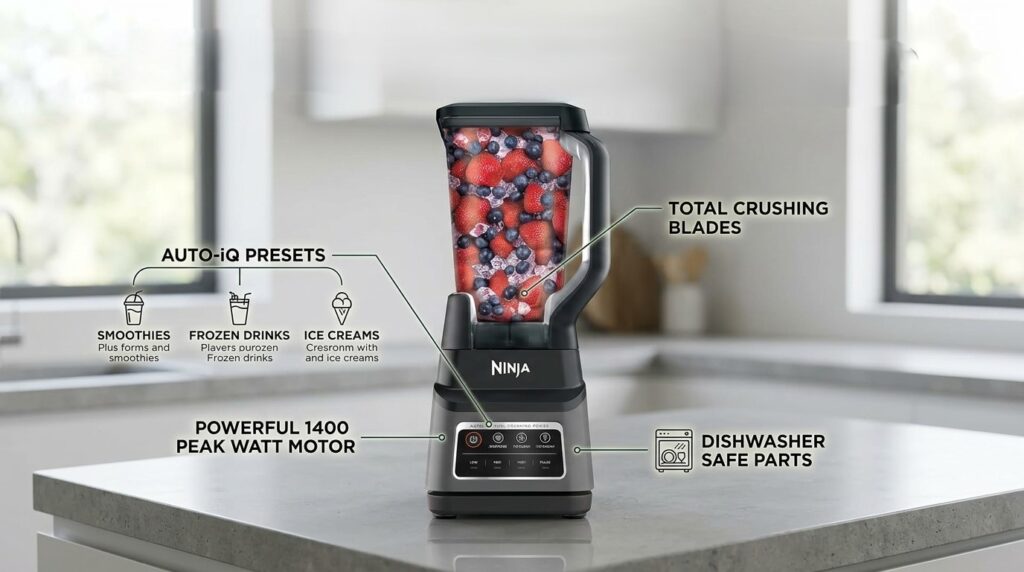
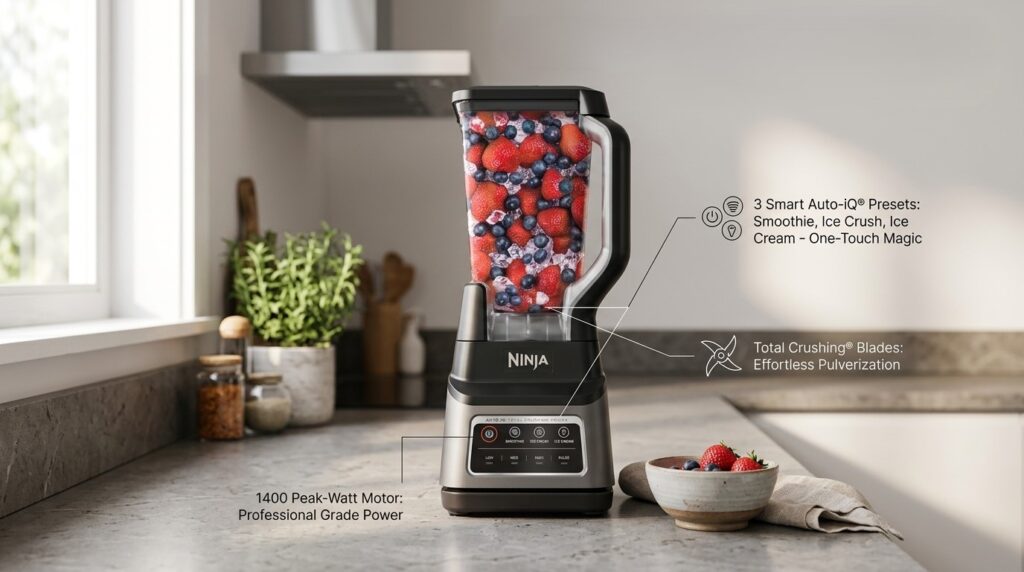
The Ninja Professional Plus features a 1400 peak-watt motor. Understanding what “peak watts” means is important because it differs from continuous or nominal power ratings. Peak wattage refers to the maximum power output the motor can generate during operation, typically when starting up or handling the most demanding tasks. This measurement gives you insight into the blender’s capacity to process tough ingredients without bogging down.
A motor in this wattage range generally handles a broad spectrum of blending tasks without struggle. From processing leafy greens to crushing ice or grinding nuts into flour, the motor has enough force to maintain consistent blade speed even when working with resistant materials. This power level positions it within the higher tier of residential blender options, which means it’s engineered to handle daily use without the performance degradation that sometimes occurs in less powerful machines.
The Auto-iQ Preset System
Auto-iQ represents Ninja’s approach to automating the blending process through preset programs. Rather than requiring you to manually adjust speed settings and duration, the three programmed presets are designed to optimize the blending cycle for specific applications:
The smoothie preset balances speed and duration to incorporate ingredients while maintaining a drinkable consistency. The preset factors in the typical composition of smoothie ingredients—fruits, liquids, and protein powder—to create a result that’s thoroughly blended without over-processing.
The frozen drink preset operates differently, recognizing that frozen ingredients require more aggressive blending cycles. The motor runs at higher speeds for longer periods to break down frozen fruit, ice, and other cold components into a smooth, sippable beverage.
The ice cream preset is designed for processing ingredients into a frozen dessert consistency. This involves specific speed and timing parameters that create texture without the over-processing that would result from simply running a smoothie preset on frozen ingredients and additives.
These presets function as one-touch options—you add your ingredients, select the appropriate preset, and the machine handles the blending cycle automatically. This removes guesswork from the process and can be particularly helpful if you’re using the blender frequently and want consistent results without manual adjustment.
The Pitcher and Blade System
Capacity Considerations
The 72-ounce pitcher provides substantial capacity, which translates to practical advantages depending on your household size and usage patterns. This volume accommodates recipes that serve 3-4 people in a single blending cycle, which matters if you’re regularly making smoothies for multiple family members or preparing larger batches of soups, sauces, or other blended foods. The larger pitcher also means fewer individual batches if you’re processing larger quantities of ingredients for meal prep.
Pitcher volume does have a counterbalance worth considering—smaller batches sometimes blend more efficiently than using a large pitcher at partial capacity. If you typically make single-serving smoothies, a smaller pitcher might be more practical, though the larger capacity doesn’t prevent you from using it for smaller quantities.
Blade Technology
The blender uses what Ninja terms “Total Crushing” blades. These are multi-angled blades designed to both cut and crush rather than relying on a single cutting action. The geometry of the blades creates different angles that handle ingredients in multiple ways simultaneously—some surfaces cut finely, while others crush and break down resistant materials. This design approach helps the blender process a wider range of ingredient types and textures more effectively than single-angle blade designs.
The blades are constructed from stainless steel, which resists corrosion and maintains sharpness with regular use. Stainless steel blades also resist staining from ingredients like turmeric or beet juice that might discolor other materials.
Practical Applications and Everyday Use
Smoothies and Nutritional Blends
Making smoothies represents one of the most common uses for home blenders. A blender in this power class handles the combination of frozen fruit, greens, protein powder, and liquid bases without difficulty. The smoothie preset automates what used to require manual speed adjustment—you add your ingredients and let the preset handle the processing.
People who incorporate smoothies into their routine often appreciate the consistency that comes from using the same blending cycle repeatedly. Creating a green smoothie with spinach or kale, a tropical smoothie with frozen mango and coconut milk, or a protein-focused blend with Greek yogurt and berries—these applications all work well with automated presets.
Frozen Beverages
Frozen beverages require different handling than cold smoothies. When processing frozen fruit, ice cubes, or frozen yogurt, the blender needs sustained power to break these ingredients into a drinkable consistency. The dedicated frozen drink preset manages this distinction. Creating margaritas, frozen mojitos, slushies, or blended tropical drinks represents a category of blending that demands more power than room-temperature ingredients.
Hot Soup and Heated Blends
One capability that people don’t always associate with blenders involves the slight heat generation from friction during extended blending cycles. The motor’s power means it can generate enough friction during processing to warm ingredients. This property enables blending of hot soups, though you should follow safety guidelines about how full the pitcher should be and allow steam to escape during processing. Some users intentionally process room-temperature vegetable or broth-based ingredients knowing the friction will create a heated result ready to serve.
Nut Butters and Grinding
The combination of motor power and blade design makes nut butter production feasible. Processing raw almonds, peanuts, or cashews through multiple cycles creates progressively smoother nut butter without requiring a separate food processor. The key involves processing in cycles rather than continuous operation—pulsing allows the nut particles to settle and heat to dissipate between processing phases.
Flours and Fine Powders
Grinding grains, seeds, or legumes into flour or powder is possible with this blender’s motor power. This works best with drier ingredients rather than high-moisture materials. Processing rolled oats into flour, grinding flax seeds into powder, or creating chickpea flour from dried chickpeas are all within the blender’s capability.
Nut Milk Production
Those interested in homemade plant-based milks can process raw nuts with water to create almond milk, cashew milk, or other nut-based beverages. The process involves soaking nuts, blending with water, and straining through a fine mesh. The blender’s power ensures efficient processing of soaked nuts into a smooth liquid base.
Sauce and Dressing Preparation
Creating emulsified sauces, vinaigrettes, pestos, and creamy dressings benefits from the blender’s power and blade design. The sustained mixing action incorporates oil and acidic components into stable emulsions, and the volume capacity makes it practical for batch preparation.
Practical Features and Design Elements
Dishwasher-Safe Components
The pitcher and blade assembly are designed to withstand dishwasher cycles. This feature matters more than it might initially seem—regular blending users accumulate significant time spent on cleanup. Dishwasher-safe components eliminate the need for hand washing and make the appliance easier to integrate into busy households. The base unit itself isn’t submersible and shouldn’t go in the dishwasher, but the removable pitcher and blade system can be cleaned mechanically rather than requiring manual scrubbing.
Pitcher Design and Pouring
The 72-ounce pitcher includes measurement markings along the side and is designed with considerations for pouring. A well-designed spout helps minimize drips and splashes when transferring blended contents into serving glasses or storage containers. The pitcher’s shape and the angle of the spout affect the user experience significantly—poor spout design results in frequent spills, while thoughtful design makes transfer clean and efficient.
Stability and Countertop Presence
The base unit’s weight and footprint determine how it sits on countertop space. Heavier units generally resist vibration better during operation than lighter machines. If you plan to keep the blender on your counter rather than storing it, its appearance and size become relevant considerations. The Ninja aesthetic tends toward the contemporary kitchen tool look—industrial styling that fits well in modern kitchen environments.
Power Cord and Setup
The blender comes ready to use with standard plug-in operation—no special electrical installation is required beyond a regular household outlet. The power cord length determines how far from an outlet you need to position the unit.
Who This Blender May Suit
Active Individuals and Fitness Enthusiasts
People who incorporate smoothies, protein shakes, or recovery drinks into their fitness routines tend to appreciate the blender’s power and preset functionality. If you’re making protein smoothies several times per week, the convenience of one-touch presets and the reliability of consistent results matters practically.
Health-Focused Home Cooks
Those who prepare homemade plant-based milks, whole-grain flours, nut butters, or vegetable-based soups may find the blender’s power and capacity helpful. The ability to handle tough ingredients like whole grains or raw nuts without slowing down makes it practical for health-focused cooking routines.
Households with Multiple Users
Families or shared living situations where several people make blended drinks or foods benefit from the 72-ounce capacity, which accommodates multiple servings without requiring sequential batching. If your household includes people with different dietary preferences—someone making a green smoothie while another prefers a frozen fruit blend—the blender’s capability handles varied applications.
People Who Value Convenience
The automated presets appeal to users who want straightforward, consistent results without manual speed adjustments. If you use a blender frequently and want the process streamlined, the Auto-iQ presets reduce the decisions required each time you blend.
Important Considerations and Limitations
Noise Level
High-powered blenders generate significant noise during operation—this is a physical reality related to motor strength and blade speed. The Ninja Professional Plus, like most 1400-watt blenders, produces sound levels that might be noticeable in quiet environments, particularly during the initial startup phase of a preset cycle. This consideration matters if your kitchen connects to sleeping areas or if you blend during early morning or late evening hours when household members are sleeping.
Pitcher Material and Longevity
The pitcher is constructed from durable plastic rather than glass. Plastic pitchers resist breaking if dropped and won’t conduct heat like glass does. However, they can become scratched over time, may eventually develop cloudiness, and can absorb stains from deeply pigmented ingredients. Replacing the pitcher is possible but represents an additional cost if the original pitcher becomes damaged or excessively stained.
Heat Sensitivity
The plastic pitcher has temperature limitations. While the friction from blending can warm ingredients, you shouldn’t pour boiling water directly into the pitcher or blend extremely hot liquids without precautions. This limitation means the blender works best for warming room-temperature or previously chilled ingredients through blending, rather than for processing boiling-hot ingredients immediately from the stove.
Maintenance Requirements
Regular maintenance keeps the blender functioning optimally. The blade assembly should be rinsed promptly after use to prevent dried food from accumulating where the blades meet the pitcher. While the pitcher is dishwasher-safe, the blade assembly benefits from gentle hand cleaning. The base unit should be wiped clean and kept away from standing water or excessive moisture.
Motor Runtime Limitations
Even high-powered motors benefit from periodic rest. Extended continuous blending—multiple back-to-back cycles lasting an hour or more—can cause heat buildup. For typical household use involving intermittent blending throughout the day, this isn’t a practical limitation. However, someone running a smoothie shop or processing very large quantities might encounter thermal throttling.
Preset Customization
While the three presets offer convenience, they don’t accommodate every possible blending scenario. Some recipes or ingredient combinations might benefit from custom speed or duration settings that the preset system doesn’t offer. The machine functions as an automated system, not a fully manual control device with granular adjustment options.
Comparing Blender Categories
High-Powered Residential Blenders
Blenders in the 1000+ watt range represent the higher tier of residential appliances. They handle tasks that lesser-powered machines struggle with—sustained nut grinding, whole-grain processing, and frozen ingredient handling without performance loss. Compared to budget blenders in the 300-600 watt range, the difference in capability is substantial.
Blenders with Preset Automation
The Auto-iQ preset system positions this blender within a category that prioritizes ease of use through automation. This contrasts with fully manual blenders that require the operator to select and adjust speed throughout the blending cycle. Preset systems reduce user input but limit customization. Some users prefer the simplicity, while others prefer manual control for maximum flexibility.
Capacity Class
The 72-ounce capacity places this in the mid-to-large pitcher category. This suits most household needs without being so large that it becomes impractical for small batches or so small that batch size becomes limiting. This volume represents a practical balance for most applications.
Noise and Vibration Characteristics
High-powered motors inherently generate noise—this is a category-wide consideration. All 1400+ watt blenders operate at elevated sound levels. If noise is a major concern, lower-wattage options produce less sound, though they sacrifice some capability.
Maintenance and Longevity
Regular maintenance extends the blender’s functional lifespan. Simple practices like rinsing the pitcher promptly after use, ensuring the blade assembly is clean and dry before storage, and wiping the motor base prevent most common issues. The dishwasher-safe pitcher makes routine maintenance straightforward.
The sealed base unit is designed to keep liquid away from the motor and electrical components. This sealed design means you shouldn’t attempt to disassemble the base for cleaning—water inside the motor housing creates electrical hazards and operational problems.
Blade sharpness naturally diminishes with extensive use, particularly if the blender processes very hard ingredients like ice regularly. While blades don’t require replacement as often as some tools, after years of frequent use, the blades may eventually become noticeably less sharp. Replacement blade assemblies are available, which makes it possible to refresh the blender’s cutting performance without replacing the entire unit.
Frequently Asked Questions
Can this blender make hot soup?
The friction from the powerful motor can generate heat during extended blending cycles. For room-temperature or slightly warm ingredients, the friction can warm the final result to serving temperature. For boiling-hot ingredients, you should allow them to cool slightly before blending and use caution about pitcher fill level to allow steam to escape. Never seal the pitcher with a lid while blending hot contents.
How loud is the blender during operation?
High-powered blenders generate significant noise—expect sound levels around 80-90 decibels during operation, similar to city traffic or a loud alarm. This is typical for 1400+ watt blenders. Some models offer sound enclosures or work best when operated with a towel draped loosely around the pitcher to dampen vibration noise.
Can you blend ice indefinitely?
While the motor has power to handle ice, extended ice blending generates heat and friction. Processing ice for smoothies or frozen drinks is well within capability, but continuous ice blending for extended periods could cause thermal stress. Brief to moderate ice processing—creating frozen drinks or ice cream—works reliably.
What’s the difference between the three presets?
Each preset runs different speed and duration combinations optimized for different ingredient types. The smoothie preset assumes blended fruit, liquid, and potentially greens. The frozen drink preset accounts for frozen ingredients requiring more intense processing. The ice cream preset processes frozen ingredients and additives into dessert consistency.
Is the pitcher glass or plastic?
The pitcher is constructed from durable plastic rather than glass. This provides break resistance and won’t conduct heat but can eventually show scratches and staining from certain ingredients.
Can you make nut butter in this blender?
Yes, through pulsed processing. Rather than continuous blending, you pulse the nuts in cycles, allowing the mixture to settle and cool between pulses. This eventually breaks nuts down to butter consistency.
How often does the pitcher need replacing?
With normal use and care, the plastic pitcher remains functional for years. Over time, extensive use may result in visible scratches or staining, but this doesn’t affect functionality. Replacement is optional unless damage occurs or the pitcher becomes noticeably compromised.
Does it have a warranty?
Most Ninja appliances include a limited manufacturer’s warranty covering defects in materials and workmanship. The specific warranty terms should be verified at the point of purchase.
Can you make milk alternatives like almond milk?
Yes. Soak raw nuts, blend with water using the blender, then strain through fine mesh cloth. The motor power makes the blending phase efficient.
What’s the actual continuous power versus peak power?
Peak power refers to maximum output during startup or maximum demand. Continuous power (what the motor maintains during extended blending) is typically lower. The difference matters for extended processing—peak power is relevant for initial ingredient breakdown, while continuous power matters for sustained blending cycles.
Conclusion
The Ninja Professional Plus Blender (BN701) represents a capable high-powered option for households seeking straightforward blending capability without extensive manual speed adjustment. The 1400-watt motor handles diverse blending tasks—from smoothies and frozen drinks to nut processing and soup preparation. The Auto-iQ preset system streamlines the user experience by automating blending cycles for common applications. The 72-ounce capacity serves most household sizes efficiently, and the dishwasher-safe pitcher simplifies routine maintenance.
Understanding what this blender does well—power handling, preset automation, and capacity—alongside its limitations helps determine whether it aligns with your actual needs and preferences. It’s particularly suited for households that blend regularly and appreciate simplified operation, while users who need extensive manual control might find the preset system restrictive.
The decision to invest in any kitchen appliance ultimately depends on your individual usage patterns, kitchen space, noise tolerance, and budget considerations. Examining detailed specifications and understanding real-world functionality—beyond marketing terminology—ensures your choice genuinely serves your household needs.